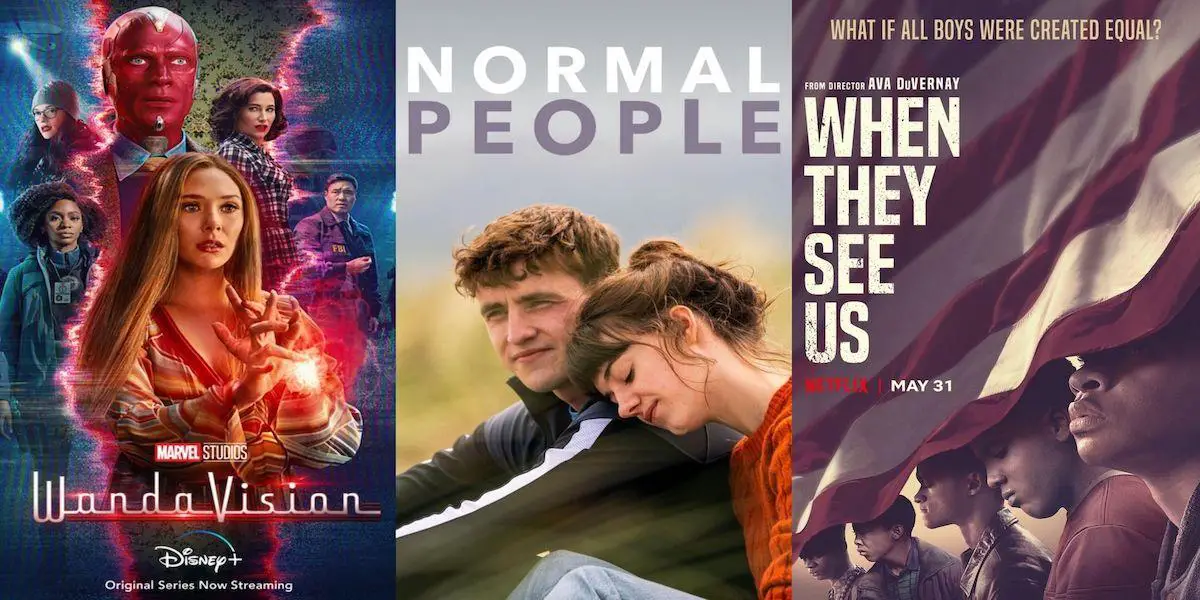
In an era dominated by binge-watching adn digital streaming, the television landscape is undergoing a notable transformation.The rise of mini-series, characterized by their concise narratives and limited run times, is reshaping how stories are told and consumed. Gone are the days when viewers committed to lengthy seasons of programming that stretched over multiple months.Instead, creators are embracing shorter formats that captivate audiences with tight storytelling and immediate emotional impact. this trend not only reflects changing viewer habits but also highlights the pressures on networks and streaming platforms to deliver compelling content in an increasingly competitive market. As conventional broadcasting faces challenges from on-demand services, the mini-series phenomenon is emerging as a dynamic solution, offering fresh perspectives and enriching the viewing experience. This article explores the implications of the mini-series surge, examining its origins, current popularity, and the potential future of this burgeoning format in the ever-evolving world of television.
Table of Contents
- The Rise of Mini-Series: Understanding the Viewer Demand for Conciseness
- Creative Freedom in Shorter Formats: How Writers and Producers are Adapting
- Economic Impacts: Budgeting and Revenue Models in the Era of Short Seasons
- Future Trends: What Mini-series Mean for Traditional Television Networks and Streaming Platforms
- In Retrospect
the Rise of Mini-Series: Understanding the Viewer Demand for Conciseness
The landscape of television has dramatically transformed over the past few years, with audiences increasingly gravitating towards mini-series as a preferred format. This shift can be attributed to several factors that reflect the changing viewing habits of consumers. Firstly, the allure of brevity cannot be overstated. Many viewers are now seeking stories that can be consumed in a compact timeframe, allowing for greater flexibility in their busy schedules. Additionally, the demand for high-quality production has risen, with many mini-series showcasing cinematic qualities that were once reserved for feature films. This has created a perfect storm where concise storytelling paired with high production values has become incredibly appealing.
Moreover, the evolution of streaming platforms has played a crucial role in this trend. Multiple platforms are now competing for viewer attention, and the prominence of mini-series is becoming a significant part of their content strategies. As empirical data suggest, mini-series typically generate higher viewership numbers and engagement through social media, compared to traditional long-running series. the table below illustrates some of the most popular recent mini-series and their impact on viewer engagement:
| Mini-Series Title | Platform | Viewership Increase (%) |
|---|---|---|
| Big Little Lies | HBO | 40% |
| Watchmen | HBO | 35% |
| Queen’s Gambit | Netflix | 62% |
| Mare of Easttown | HBO | 50% |
Creative Freedom in Shorter Formats: How Writers and Producers are Adapting
As the entertainment landscape continues to evolve, writers and producers are discovering that the short format offers a newfound sense of liberation. With audiences increasingly drawn to concise storytelling, creators are embracing mini-series as a canvas for their most imaginative ideas. This shift not only allows for a more focused narrative but also creates dynamic character arcs that can flourish without the baggage of extended seasons. The results are engaging stories delivered at a brisk pace, with audiences craving more of this bite-sized content.
in adapting to this trend, content creators are strategically utilizing shorter episode lengths to maximize impact. The flexible nature of these formats enables them to explore diverse genres and themes with immediacy and innovation. This method encourages experimenting with storytelling techniques, leading to increased audience engagement and satisfaction. Here are several key reasons for this resurgence in short formats:
- Concise Storytelling: Fosters a tighter narrative that keeps viewers on the edge of their seats.
- Cost-Effective Production: Short runs require fewer resources and can be produced quickly.
- Experimentation: failure is less costly and allows for bold creative risks that can attract niche audiences.
Economic Impacts: Budgeting and Revenue Models in the Era of Short Seasons
The transition to shorter seasons in entertainment has compelled producers and networks to rethink their financial strategies. Traditional revenue models heavily relied on long, drawn-out seasons that provided ample advertising opportunities and consistent viewership.In contrast, the compressed timeline of mini-series and limited runs forces stakeholders to focus on enhancing value per episode. This shift has led to the exploration of diverse revenue streams, including:
- Subscription Models: Platforms are increasingly turning to subscription models, where binge-watching entire mini-series creates a compelling sales proposition.
- Event-based Marketing: Capitalizing on renewed interest at launch, networks leverage social media and special events to boost audience engagement and maximize early viewership.
- Merchandising opportunities: Shorter formats frequently enough lend themselves to distinct branding, opening avenues for merchandise tied directly to popular characters or themes.
Ad revenue is also adapting to this swift transformation in consumption patterns. With shorter seasons, advertisers can maximize impact by implementing dynamic ad placements tailored to specific episodes or themes. Producers are experimenting with targeted advertisement technologies that analyze viewer data to deliver personalized content, thus increasing advertisement effectiveness. The below table illustrates the differing financial strategies employed by networks navigating this new landscape:
| Strategy | description | Potential Revenue Impact |
|---|---|---|
| Dynamic Ad Insertion | Targeted ads based on viewer habits | High |
| Sponsorship Deals | Partnerships with brands for exclusive content | Moderate to High |
| Enhanced Subscription Offers | Bundling premium content to attract subscribers | Moderate |
Future Trends: What Mini-Series Mean for Traditional Television Networks and Streaming platforms
The rise of mini-series is reshaping the landscape of both traditional television networks and streaming platforms, ushering in an era defined by shorter stories and sharper narratives. As audiences increasingly lean towards content that offers immediate gratification, networks are reevaluating their programming strategies. This shift is evidenced by several key developments:
- Increased Production Efficiency: With shorter run times, studios can cut costs while maintaining high production values, allowing them to invest in more diverse stories.
- Flexibility in Scheduling: Mini-series can be more easily scheduled in prime time slots, catering to viewers who prefer condensed storytelling.
- Increased Viewer Engagement: Shorter formats lead to binge-watching, maintaining viewer interest and fostering discussions around plot twists and character arcs.
the competitive landscape has seen streaming services adopt mini-series as a strategic move to attract and retain subscribers.Platforms like Netflix and Hulu have achieved notable success by leveraging the mini-series format to release high-quality, limited-run shows that capitalize on current trends. A comparison of the latest mini-series success rates against traditional series highlights this shift:
| Format | Average Viewership | Subscriber Growth Impact |
|---|---|---|
| Mini-Series | 5M viewers | +15% |
| Traditional Series | 3M viewers | +5% |
This emerging trend indicates a possible future where mini-series could dominate, reflecting a shift in consumer preferences that both traditional networks and streaming platforms must navigate. As viewers become accustomed to this format, the pressure will increase for all providers to innovate continuously, ensuring that quality storytelling remains at the forefront.
In Retrospect
As audiences continue to seek out engaging narratives packed into concise timeframes, the rise of mini-series illustrates a profound shift in television storytelling.This trend not only reflects changing viewer preferences but also challenges traditional production models, prompting networks and streaming platforms alike to adapt swiftly. With shorter seasons leading to heightened creativity and tighter storytelling, the mini-series format is reshaping the landscape of entertainment as we know it. As we move forward, the industry will need to stay attuned to this evolution, balancing the demand for quality content with the innovative spirit that has propelled these compact narratives into the spotlight. As we digest this new chapter in television history, one thing becomes clear: the mini-series is here to stay, fundamentally altering the viewer experience for years to come.
Related Products
-
Sale!
43.7” Floating TV Stand with Power Outlet, Wall-Mo…
Product Original price was: $58.99.$49.99Current price is: $49.99. -
Sale!
M Squad: The Complete TV Series
Product Original price was: $79.97.$66.71Current price is: $66.71. -
Sale!
Better Call Saul – The Complete Series
Product Original price was: $108.75.$101.50Current price is: $101.50.