![The Music Man (Special Edition) [DVD]](https://m.media-amazon.com/images/I/51Y5WThltmL.jpg "The Music Man (Special Edition) [DVD]")
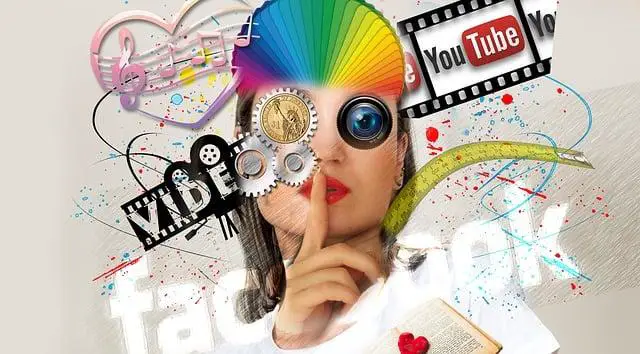
In an era defined by the rise of social media, influencers have become powerful advocates for brands, shaping consumer behavior and driving sales across digital platforms. However, as their influence grows, so too does the scrutiny surrounding their promotional practices. Recent legal challenges have illuminated a complex landscape where sponsorships and endorsements intersect with consumer rights and regulatory compliance. From undisclosed advertising to misleading claims,influencers are increasingly facing legal repercussions that raise questions about clarity and accountability in the digital marketplace. This article delves into the mounting legal issues confronting influencers, the implications for their partnerships with brands, and the evolving landscape of advertising regulations that govern this dynamic industry. As more consumers seek authenticity in their online interactions, the spotlight intensifies on the ethical responsibilities of those at the helm of digital influence.
Table of Contents
- influencer Accountability: Navigating Legal Responsibilities in Sponsored Content
- The Fine Print: Understanding Disclosure Requirements for Social Media Endorsements
- Consumer Trust at Risk: The Impact of Legal Challenges on Brand Partnerships
- Recommendations for Influencers: Best Practices to Avoid Legal Pitfalls in Sponsorships
- Insights and Conclusions
Influencer Accountability: Navigating Legal Responsibilities in Sponsored Content
The rise of social media influencers has revolutionized the marketing landscape,but it hasn’t come without its complications. As advertisers increasingly rely on these digital personalities to engage their audiences, the legal framework surrounding sponsored content has come under scrutiny.Influencers must now navigate a complex web of regulations to ensure they are obvious and ethical in their promotions. Key considerations include:
- Disclosure Requirements: Influencers are legally obligated to disclose any material connections they have with brands, which means clearly labeling sponsored posts.
- Advertising Standards: Content should not mislead consumers; influencers are held to the same standards as traditional advertisers.
- Liability Issues: Influencers can be held accountable for false claims made about products, making it vital to only promote goods they trust.
Moreover, as the Federal Trade Commission (FTC) intensifies its enforcement of these rules, influencers face the risk of legal repercussions and damage to their reputations. The obligation does not rest solely on the influencers; brands also share this burden. By fostering a culture of accountability, both parties can enhance consumer trust. Highlighted below is a breakdown of common violations that influencers should steer clear of:
| Violation Type | Description |
|---|---|
| Failure to Disclose | Not informing followers of sponsorships can result in fines and loss of credibility. |
| False Endorsements | Claiming unverified benefits of a product can lead to lawsuits from consumers or brands. |
The Fine Print: Understanding Disclosure Requirements for Social Media Endorsements
The evolving landscape of social media has brought about renewed scrutiny on influencers, especially regarding their obligation to disclose sponsorships and endorsements. Regulatory bodies,notably the Federal Trade Commission (FTC),have established guidelines to ensure transparency,mandating that influencers clearly communicate when their posts are sponsored. Failure to do so can result in severe consequences, ranging from fines to a loss of credibility among followers. Here are some key points influencers must adhere to:
- Transparency is Key: Influencers should use clear language such as “ad,” “sponsored,” or “paid partnership” to inform audiences of paid content.
- Prominence Matters: Disclosures should be easily noticeable, placed at the beginning of posts or in a contrasting color, avoiding deceptive formats.
- Social Media Platform Compliance: Each platform may have specific rules regarding disclosures that must be followed in addition to FTC guidelines.
Understanding these disclosure requirements is critical, not only to comply with legal standards but also to maintain trust with audiences. Investigations into influencer marketing have highlighted instances of misleading representations, underscoring the importance of rigorous adherence to ethical practices. The following table summarizes the critical aspects of disclosure requirements:
| Requirement | Description |
|---|---|
| Clarity | Disclosures must be straightforward and direct. |
| Visibility | Disclosures should stand out and not be hidden in fine print. |
| Relevance | Only disclose partnerships that are meaningful to the content. |
Consumer trust at Risk: The Impact of Legal Challenges on Brand Partnerships
As influencers increasingly take center stage in the marketing landscape, the rise of legal challenges surrounding their sponsorships has notable repercussions for brands. Legal scrutiny can erode consumer trust, particularly when influencers fail to disclose their affiliations or when those partnerships come under fire for misleading claims. In the digital age, where transparency is paramount, brands must navigate the complexities of compliance with regulations such as the Federal Trade Commission (FTC) guidelines. Brands found in violation can face hefty fines, and the subsequent negative PR can tarnish their reputation while leaving consumers questioning the authenticity of their endorsements.
Moreover, the fallout from these legal issues frequently enough leads to a reevaluation of partnerships, pushing brands to take a more proactive stance in managing their influencer collaborations. This includes:
- Enhanced vetting processes to ensure alignment with brand values.
- Training and resources for influencers on legal obligations.
- Regular audits of ongoing campaigns and content.
With a growing consumer emphasis on ethical standards, brands are under pressure to prioritize accountability and cultivate long-term trust with their audience, lest they risk losing both credibility and market share in a fiercely competitive industry.
Recommendations for Influencers: Best Practices to Avoid Legal Pitfalls in Sponsorships
To navigate the increasingly complex landscape of influencer sponsorships, adherence to best practices is essential for avoiding legal repercussions. First and foremost, transparency is key. Influencers should always disclose paid partnerships or sponsored content clearly and conspicuously, typically using hashtags like #ad or #sponsored. This not only builds trust with the audience but also aligns with guidelines set forth by the Federal Trade Commission (FTC). Furthermore, influencers should ensure that all promotional statements about the products are truthful and substantiated, as misleading claims can lead to legal liabilities.
In addition to clear disclosures, it is advisable for influencers to create written agreements with brands before commencing any sponsorship activities. This contract should outline the responsibilities of both parties, including content expectations, payment terms, and usage rights of the influencer’s content. Notably, influencers should also be mindful of intellectual property issues—obtaining necessary permissions for music, images, and trademarks used in their content is crucial to prevent infringement claims. Lastly, staying informed about local regulations governing advertising and sponsorships can definitely help avoid unexpected legal challenges.
Insights and Conclusions
As the landscape of digital marketing continues to evolve, the scrutiny surrounding influencers and their sponsorships is increasingly coming to the forefront. Legal challenges and ethical considerations have sparked a crucial conversation about transparency and accountability in social media advertising. As regulatory bodies ramp up their efforts to enforce compliance, both influencers and brands must navigate this complex terrain with care. The implications of these legal issues extend beyond individual creators—they signal a shift in how consumers perceive authenticity and trust in the digital age. As the industry adapts to these challenges,it remains essential for all stakeholders to prioritize ethical practices that foster a responsible online habitat. With the spotlight firmly on this evolving dynamic, the impact of these legal developments will undoubtedly resonate throughout the influencer marketing sphere in the months and years to come.
Related Products
-
Sale!
43.7” Floating TV Stand with Power Outlet, Wall-Mo…
Product Original price was: $58.99.$49.99Current price is: $49.99. -
Sale!
M Squad: The Complete TV Series
Product Original price was: $79.97.$66.71Current price is: $66.71. -
Sale!
Better Call Saul – The Complete Series
Product Original price was: $108.75.$101.50Current price is: $101.50.