

![The Last of Us: The Complete First Season [4K UHD]](https://m.media-amazon.com/images/I/51PQhTWF9fL.jpg "The Last of Us: The Complete First Season [4K UHD]")

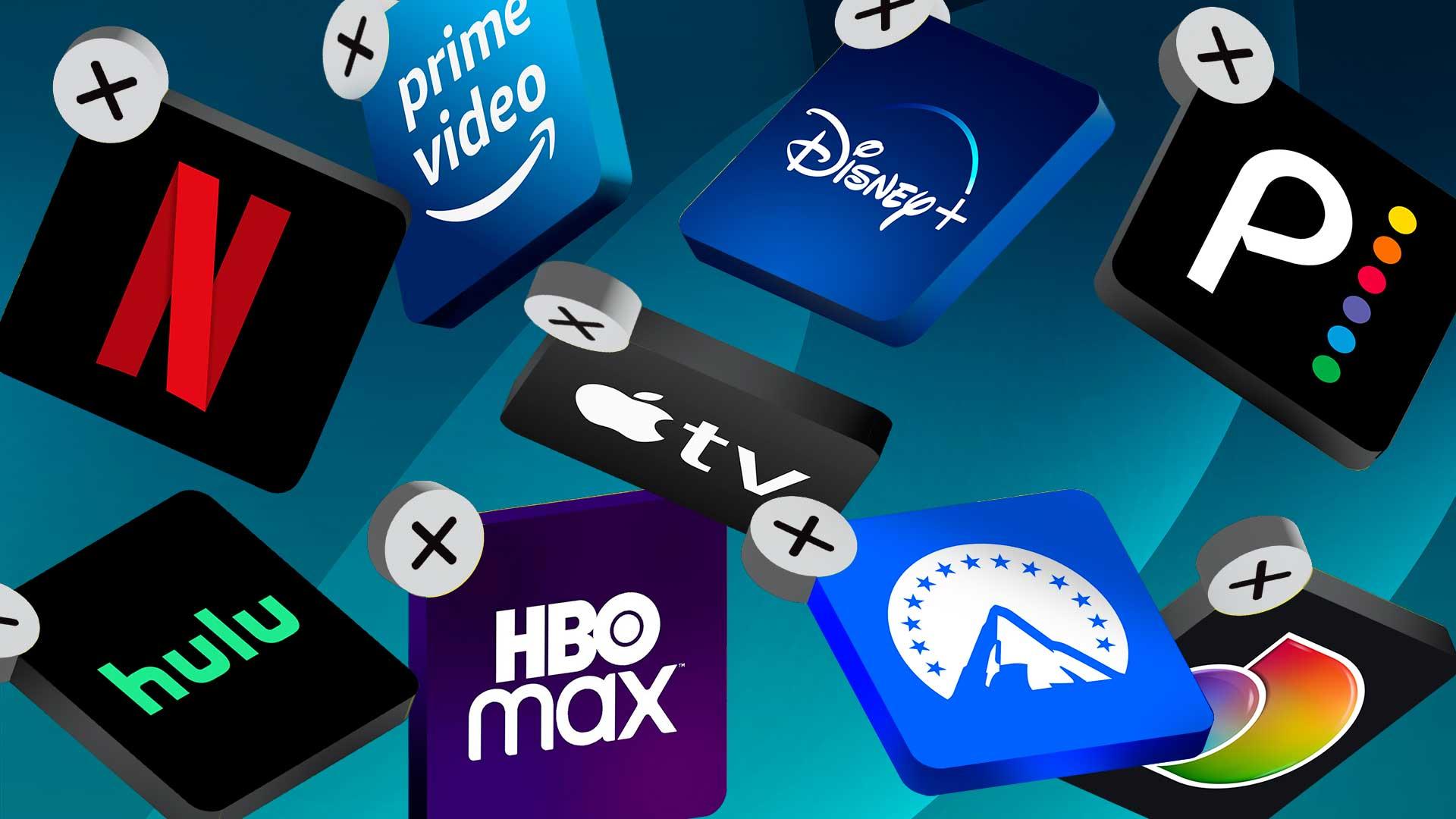
In just over a decade, the way we consume television has undergone a seismic shift, reshaping not only the viewing experience but also the very fabric of the media landscape. The rise of streaming services has catalyzed what many are calling a “streaming revolution,” challenging customary broadcasting models and enticing audiences with unprecedented adaptability and choice. Platforms such as Netflix, Hulu, Amazon Prime Video, and Disney+ have not only become household names but have also sparked a fierce competition that has led to an explosion of original content and diverse programming options. As cable subscriptions decline and viewers increasingly turn to on-demand services, the industry finds itself at a critical crossroads, grappling with the implications of this transformation on advertisers, creators, and consumers alike. This article delves into the dynamics of the streaming revolution, exploring its impact on the television industry, examining consumer trends, and considering what lies ahead in this rapidly evolving realm of entertainment.
Table of Contents
- The Rise of Streaming Platforms and Their Impact on Traditional Television
- Consumer Behavior Shifts: How viewers are Navigating the New Landscape
- Content Creation Evolution: The demand for Original Programming
- Future Strategies for Traditional Networks to Compete and Innovate
- To Wrap It Up
The Rise of Streaming Platforms and Their Impact on Traditional Television
The last decade has witnessed a meteoric rise in streaming platforms, fundamentally altering how audiences consume visual content. Services like netflix, Hulu, and Amazon Prime have not only expanded viewership but have also changed the production landscape with their emphasis on original programming. These platforms leverage vast amounts of user data to tailor personalized viewing experiences, resulting in binge-watching habits that traditional cable TV struggles to match. As more consumers cut the cord,traditional networks are faced with declining subscriber rates,prompting a strategic pivot towards offering their own on-demand content to retain their audiences.
Moreover, the influence of streaming platforms extends beyond mere viewership numbers; it has introduced a new era of competitive pricing models and content strategies. Key factors driving this change include:
- Subscription Flexibility: Viewers can choose from a range of subscription options, including ad-supported tiers, making content accessible to a broader audience.
- Global Reach: Streaming services have the power to distribute content internationally, enabling local shows to gain cult followings worldwide.
- innovative Content Creation: Significant investment in diverse stories reflects societal issues, appealing to a more discerning audience and adding pressure on traditional broadcasters to innovate.
| Feature | Streaming platforms | Traditional TV |
|---|---|---|
| Content Library | Extensive and varied, frequently enough featuring original programming | Limited, primarily relies on licensed content |
| Viewing Flexibility | on-demand accessibility anytime, anywhere | Fixed schedule; must accommodate broadcast times |
| Advertising | Ad-supported options exist, but mostly ad-free experiences | Heavily reliant on higher commercial breaks |
Consumer Behavior Shifts: How Viewers are Navigating the New Landscape
As the streaming revolution continues to unfold, viewers are redefining their engagement with entertainment. A noticeable shift has emerged, characterized by a demand for flexibility and personalization in viewing experiences. Audiences are increasingly opting for platforms that align with their schedules and preferences, leading to a decline in traditional cable subscriptions. This trend is fueled by a younger demographic that prioritizes on-demand access, enabling them to curate their viewing habits without the limitations of fixed programming hours. Consequently, networks are compelled to adapt by producing content that not only captivates but also caters to the diverse tastes of an expansive audience.
Moreover, the integration of social media into the streaming experience is further fueling this transformation. Viewers are not just passive consumers; they are actively participating in the narrative through real-time discussions and community engagement. Social platforms serve as a conduit for recommendations, driving the popularity of shows and influencing viewing choices. This evolving landscape has led to the rise of interactive features,allowing audiences to engage with content in innovative ways. As streaming services continue to evolve, it is indeed evident that understanding these shifting behaviors will be crucial for industry players striving to remain competitive.
Content creation Evolution: The Demand for Original programming
as the streaming era matures, a marked shift towards original programming has underscored its importance in capturing viewer attention and loyalty. Traditional networks, once dominant, now contend with a wave of creators who thrive on innovative storytelling and diverse genres. Streaming services are fighting not just for viewer subscriptions but for cultural relevance, driving an unprecedented demand for unique content that resonates with specific audience segments.
This evolution has given rise to a multitude of creators who are not only curating but also producing engaging original content. The landscape now features:
- Diverse Voices: emerging filmmakers and writers bringing fresh perspectives.
- Quality Over Quantity: A focus on meticulously crafted narratives that prioritize viewer experience.
- Global Appeal: international productions that attract wide-ranging demographics.
In response to these insights,streaming platforms have made substantial investments in bespoke series and movies dedicated to addressing varied audience interests. This has resulted in some fascinating statistics:
| Total Streaming Investment | 2021 | 2023 |
|---|---|---|
| Original Programming Budget | $15 billion | $25 billion |
| Original Titles Released | 200 | 350 |
This strategic pivot not only enhances viewer engagement but also shapes the broader media industry, compelling traditional networks to rethink their existing frameworks as they navigate the competitive tides of streaming giants.
Future Strategies for Traditional networks to Compete and Innovate
As streaming platforms continue to dominate the digital realm, traditional networks must adopt innovative approaches to reclaim viewer loyalty and market share. Embracing technology is key, as networks should invest in user-friendly applications that deliver seamless viewing experiences. Additionally,integrating advanced analytics will enable networks to understand viewer preferences better and tailor content accordingly. By exploring partnerships with tech companies, traditional networks can enhance their distribution channels, ensuring their programming reaches audiences across multiple devices.
Furthermore, cultivating a strong focus on original content will play a crucial role in retaining subscribers.This includes not only high-quality scripted series but also engaging reality shows and local programming that resonates with community values. Traditional networks might also consider experimenting with short-form content, capitalizing on consumer trends that favor bite-sized entertainment. Establishing interactive platforms where viewers can engage with content creators and participate in live discussions could further bridge the gap between creators and consumers,fostering a loyal audience base.
To Wrap It Up
As we stand on the cusp of a new era in entertainment, the streaming revolution is undeniably reshaping the television industry’s landscape. With the rise of on-demand content and the decline of traditional broadcasting, viewers now enjoy an unprecedented level of choice and control over their viewing experiences. Simultaneously occurring, media giants are competing fiercely to capture audiences, resulting in innovative programming and diverse storytelling that was once unimaginable.
however,this transformation comes with challenges—cable networks face dwindling subscriptions,while concerns about content overload and the sustainability of the streaming model loom large. As technology continues to advance and consumer preferences evolve, the industry must navigate these complexities to ensure that the future of television remains vibrant and accessible.
Ultimately,the streaming revolution is not just a shift in how we watch television; it represents a essential change in how content is created,distributed,and consumed. As we move forward, one thing remains clear: the boundaries of the television landscape are continually expanding, inviting both challenges and opportunities for creators and audiences alike. The journey is far from over,and as viewers,we are not just passive observers but active participants in this dynamic narrative.
Related Products
-
Sale!
Batman: The Complete Animated Series (1992) (Blu-r…
Product Original price was: $44.96.$28.99Current price is: $28.99. -
Sale!
The Age of Influence: The Power of Influencers to …
Product Original price was: $19.99.$7.55Current price is: $7.55. -
iPhone 15 I Was a Reality TV Star in My Past Life …
Product $19.99


