![The Munsters: The Complete Series [DVD]](https://m.media-amazon.com/images/I/514KEgr0lbL.jpg "The Munsters: The Complete Series [DVD]")


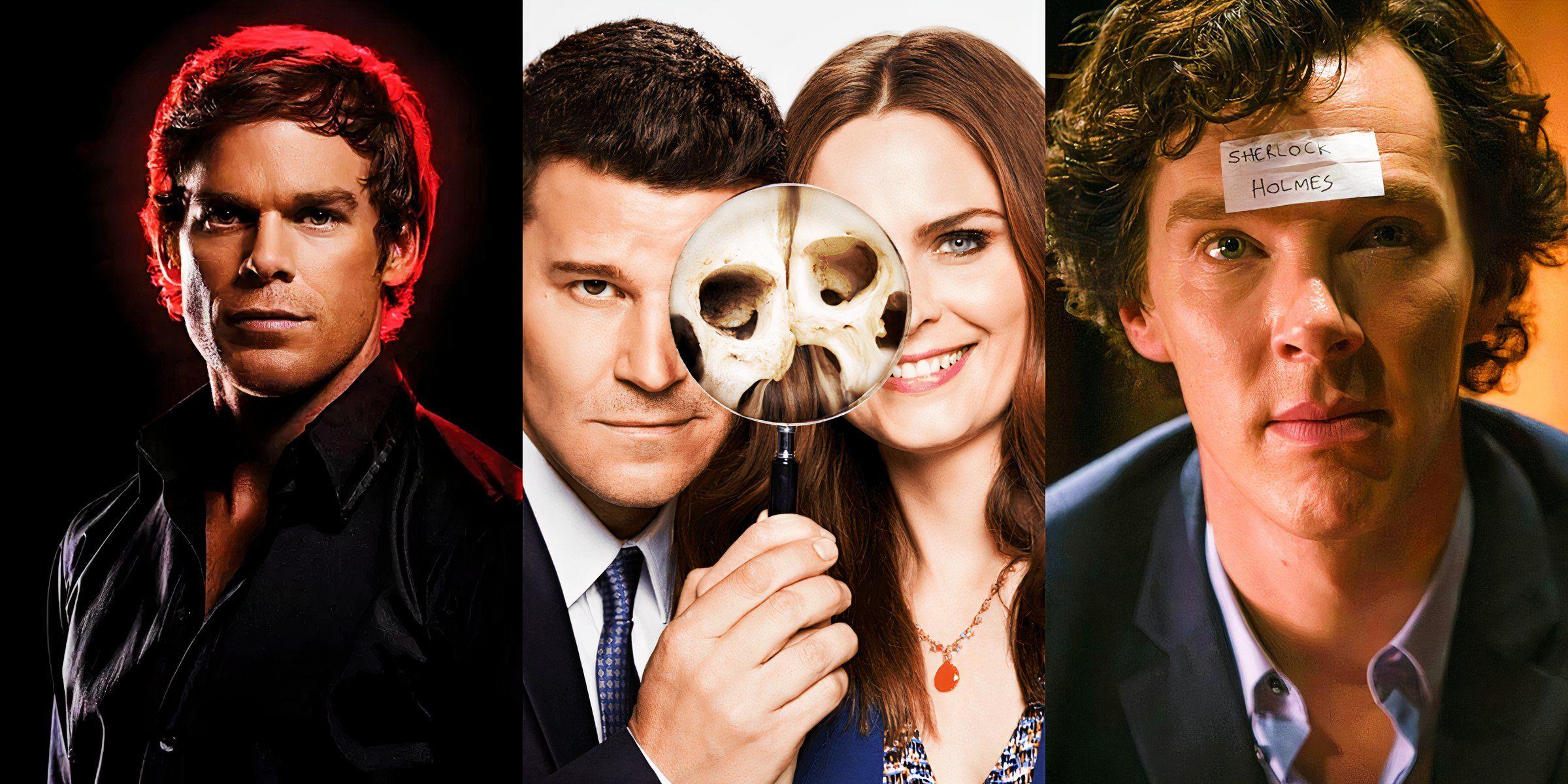
: A journey Through Tension and Transformation
In an era where screens dominate leisure time, crime and thriller television shows stand out as perennial favorites among viewers worldwide. From the gritty noir of the 1950s to the complex psychological dramas of today, these series have not only captivated audiences but have also reflected societal shifts and evolving cultural norms. As streaming platforms redefine how stories are consumed, the genre continues to adapt, blending traditional elements with innovative storytelling techniques. This article embarks on a extensive exploration of the evolution of crime and thriller television programs, tracing thier roots, examining meaningful milestones, and highlighting the key forces—both creative and cultural—that have shaped this dynamic genre over the decades. Join us as we delve into the dark alleys of narrative intrigue, character complexity, and the relentless pursuit of justice that have captivated generations of viewers.
Table of Contents
- The Rise of Noir: How Early Crime Dramas Paved the Way for Modern Television
- Character Development in Crime and Thriller Series: A Deep Dive into Antiheroes and Their Complexities
- Cultural Reflections: Examining crime and Thriller Shows as a Mirror of Society
- Future Trends: What to Expect in Crime and Thriller TV in the Era of Streaming
- To Wrap It up
The Rise of Noir: How Early Crime Dramas Paved the Way for Modern Television
The noir genre emerged in the early 20th century, initially captivating audiences with its dark and moody aesthetics that explored the depths of human psychology and morality.Pioneering films such as *The Maltese Falcon* and *Double Indemnity* laid the groundwork for what would evolve into complex narratives filled with flawed characters and intricate plots. As these cinematic stories began to transition onto the small screen, television noir took shape in the form of gripping series that emphasized the psychological struggles of its protagonists. Programs like *Perry Mason* and *Columbo* leveraged the whodunit format while introducing a palpable sense of tension that kept viewers on the edge of their seats.
With the evolution of television during the late 20th century, crime dramas became more sophisticated, embracing morally ambiguous characters and multidimensional storytelling. The introduction of series such as *Miami vice* and *The Sopranos* illustrated how influences from early noir films could be reimagined for a contemporary audience. These shows not only pushed the boundaries of television storytelling but also introduced stylistic elements rooted in film noir, such as the use of shadows, stark lighting, and complex sound design. The infusion of noir into modern narratives has led to a tapestry of crime dramas that continue to capture the complexities of human nature and societal issues.
Character Development in Crime and Thriller Series: A Deep Dive into antiheroes and Their Complexities
The landscape of crime and thriller television has evolved substantially, primarily through the lens of the antihero.These characters, frequently enough morally ambiguous and psychologically complex, reflect the dualities of human nature. Unlike traditional heroes who embody clear moral virtues, antiheroes navigate the gray areas, making them relatable and compelling. The transformation of these figures can be traced through several notable series, each contributing to a richer understanding of their motivations and conflicts. Common traits of antiheroes include:
- Moral Ambiguity: They frequently enough operate outside the law and challenge societal norms.
- Flawed Humanity: Personal struggles, addictions, or past traumas shape their actions.
- Redemptive Arcs: Many series explore their journeys toward redemption, complicating viewer sympathies.
Through shows like Breaking Bad, Dexter, and True Detective, the antihero’s appeal lies in their ability to confront real-world issues while embodying the tensions of justice and retribution. By scrutinizing their decisions and the consequences thereof, these narratives invite audiences to reflect on ethical dilemmas and the notion of “right” versus “wrong.” As the genre progresses, it continues to amplify the complexities of identity and morality, leading to an intriguing tableau where viewers are left to ponder the real cost of ambition and vengeance.
| Series | Main Antihero | Key Themes |
|---|---|---|
| breaking Bad | Walter white | Transformation, Pride, Consequences |
| Dexter | Dexter Morgan | Moral Justification, Duality, Obsession |
| True Detective | Rust Cohle | Existentialism, Beliefs, Darkness of Humanity |
Cultural Reflections: examining Crime and Thriller shows as a Mirror of Society
The portrayal of crime and thrillers on television serves as a engaging lens through which society’s values, fears, and cultural dialogues are reflected. Over the decades,these shows have evolved not just in terms of storytelling but also in how they mirror the psychological landscape of the time. From the classic detective stories of the mid-20th century that often relied on clear moral dichotomies, the genre has transitioned into complex narratives that challenge our understanding of justice, morality, and human nature. Character development now often eclipses the straightforward pursuit of the ‘bad guy,’ inviting audiences to explore the intricate motives behind criminal behavior, a shift mirrored in society’s broader conversations surrounding mental health and societal pressures.
As our socio-political climate continues to shift dramatically,crime and thriller series have become platforms for addressing contemporary issues such as systemic injustice,violence against marginalized communities,and the impacts of technology on crime-solving. These narratives often draw parallels with real-world events, allowing viewers to engage with pressing issues while being entertained. A look at a few notable examples illustrates this trend:
| Show Title | Key themes | Societal Reflection |
|---|---|---|
| Mindhunter | Psychological profiling | Explores the psychology behind serial killers, reflecting society’s increasing interest in criminology. |
| true Detective | existentialism and morality | Addresses themes of hopelessness and moral ambiguity amidst crime, mirroring modern societal disillusionment. |
| The Wire | Systemic corruption | Highlights systemic issues in law enforcement and urban life, offering a critique of modern American society. |
Through these narratives, audiences are not merely passive consumers; they engage in active discussion about the societal constructs surrounding crime. Shows that once provided simple escapism now compel viewers to confront uncomfortable truths about justice, privilege, and the human condition, prompting a reevaluation of how we perceive both law and morality.
Future Trends: What to Expect in Crime and Thriller TV in the Era of Streaming
The landscape of crime and thriller television is on the brink of a transformation fueled by the unrelenting rise of streaming platforms. As audiences demand more variety and depth in storytelling, we can expect an influx of innovative narratives and complex characters that challenge conventional crime tropes. Streaming services are embracing global storytelling, enabling creators from diverse cultures to share their unique perspectives on crime and morality. this trend not only broadens the genre but also creates opportunities for inclusive casting and multilingual productions, reflecting the interconnected world we live in today.
In this evolving space, we are likely to see the debut of interactive viewing experiences, allowing audiences to engage with the storyline in real-time. Furthermore, data-driven insights will play a crucial role, as streaming platforms harness viewer preferences to tailor content and create personalized viewing experiences. Emerging trends may include:
- Genre Hybrids: Blending crime with elements of sci-fi, horror, or romance.
- mini-Series Formats: Shorter, high-impact narratives that maintain viewer engagement.
- Real Crime Explorations: Documentaries that delve into the psychological aspects behind infamous cases.
To Wrap It Up
As we conclude our exploration of the evolution of crime and thriller TV shows, it’s evident that this genre has undergone a remarkable transformation over the decades.from the classic whodunits and detective stories of early television to the complex narratives and psychological depth of contemporary series, the genre has mirrored societal changes and technological advancements.
Today’s crime and thriller shows not only entertain but also provoke discussions about morality, justice, and the human condition, reflecting our collective anxieties and fascination with the darker sides of life.As streaming platforms continue to proliferate and viewer preferences evolve, it will be intriguing to see how storytellers adapt and innovate to keep audiences engaged.
The journey of crime and thriller television is far from over, with new voices and perspectives emerging to redefine the landscape. As viewers,we remain captivated by the intricate web of suspense that these shows weave,ensuring that this genre will continue to thrill and challenge us for years to come. The ever-evolving narrative of crime and thriller television serves not just as entertainment, but as a mirror reflecting our society’s complexities and curiosities.
Related Products
-
Doctor Who: The Jodie Whittaker Years (BD)
Product $19.99 -
Sale!
Downton Abbey: The Complete Series [DVD]
Product Original price was: $54.97.$24.22Current price is: $24.22. -
Influencer Fast Track – from Zero to Influencer in…
Product $0.99

![Downton Abbey: The Complete Series [DVD]](https://m.media-amazon.com/images/I/41Kq5XapFeL.jpg "Downton Abbey: The Complete Series [DVD]")